
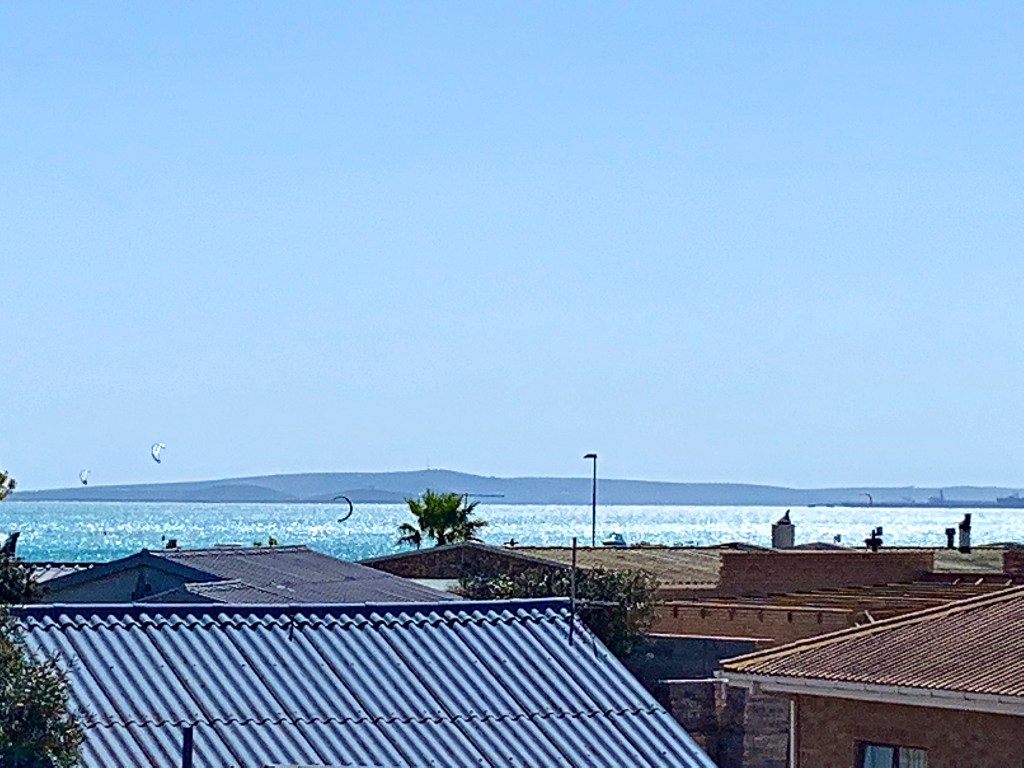
It’s good instruction, it’s important information, it’s knowledge and experience that we will need going forward for this course and our careers in sailing… But damn, the classroom is not the place we all wanted to be last week. Day Skipper Theory lasted five days and every day felt like two or three. Our classroom is on the second level of our crew house, to make matters worse, the entrance to the classroom is outside on a balcony of the second floor that overlooks Langebaan Lagoon. So, every morning, we were presented with this beautiful view of the bay that we had been sailing in the week prior. All of us, looked out at the water and longed to be out of classroom and back on the boat.
Day Skipper Theory was mostly about figuring out how to use charts (not maps, those are for land) and learning all about the collision regulations, sailing terms, and how to read and plan for the weather. I’m still working on the weather part, well…and the sailing terms, collision regulations, and how to use charts hahaha! No, really, the charts and tides make sense, the rest is just a lot of memorization and I started looking forward to sailing when we got to the weather portion, so I need to review…a lot.
BUT…we tested on Friday and everyone was happy to receive the news that we all passed and did well. Missing a few here and there, I think small mistakes and some “woops” moments came out during the four hour test. Passing the test meant, that we succeeded in theory and could get the heck out of the classroom and back on the water where we belong.
The weekend was made up of a few lazy days as they seem to be here in this sleepily little beach town. But, that’s not a slight, the bit of relaxation is always an appreciated part of the course. We did do a bit of studying over the weekend and Sunday afternoon, we started packing and making our grocery list for the week ahead.
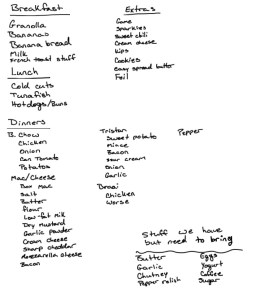
Monday morning, we headed back to the boats, dropped off our bags, and then went to the store for provisioning. Once our weekly groceries were bought and packed away, we untied our slips and headed out.
Day Skipper Practical starts to incorporate being the skipper of a boat and leading a crew. So, we were broken down into positions for the week. For instance, Tuesday, I was the Captain; Wednesday, my position was the Cook; Thursday, it was my turn to be the Engineer; and Friday, I was designated as the deck hand. Monday, we sort of started with the positions that Friday also held since both days were to be half-days on the boat. That meant Michael was Captain, Carman got the chance to break the engine as Engineer, Tristan was in the galley cooking us mince stuffed sweet potatoes, and I was the Deck Hand helping out where I could. Though we had positions, we all also took turns at the helm on the different objectives for the week. The syllabus mostly consisted of different ways to dock, catch a mooring ball, and execute man-overboard drills. It was a great week geared towards getting us more confident in maneuvering the boat in relatively tight areas.
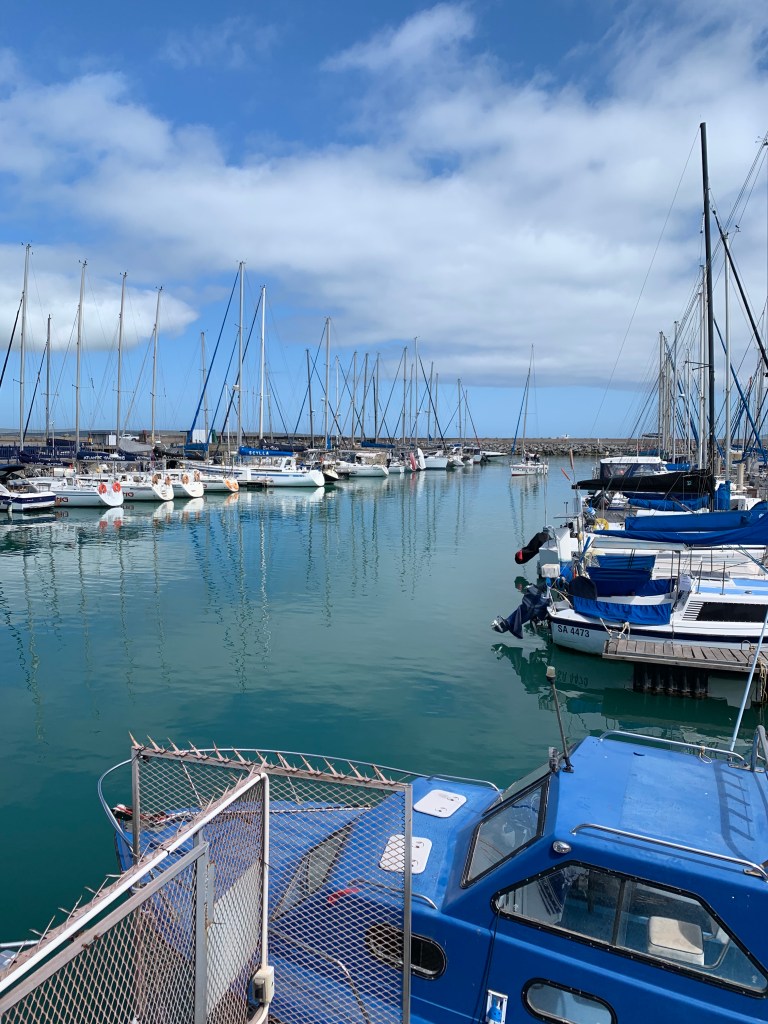
Coming into the marina and bringing the boat into the slip next to and around other boats can be stressful for someone with no experience and I have seen first hand when a bareboat charter captain doesn’t really know what he/she is doing. A poorly executed docking can end up being expensive. At the very least, it’ll cause your neighbors to be less than pleased with dinging or bumping their boats. I believe docking, is something we can all continue to practice and get better at.
Our different dockings included bow first in the marina, stern first in the marina, “ferry gliding” onto a dock using the wind and current, and “med-docking” using a mooring ball and tying up to the dock at the stern. We also caught mooring balls going down wind / against the current using the head sail and going up wind on a close reach. Both of these impressed me with the slow speed and accuracy we could get being under sail and not needing to use the engine. In the past, I would have always thought that it was necessary to use engine power to catch a mooring ball. Lesson learned! We also practiced the man-overboard drills under sail. With the man-overboard drills, we were allowed to use the engine, but we all wanted to try to only use sail power. Again, as with the mooring balls, it was interesting to me that we were all able to get right up to the notional man-overboard and on arrival, have our speed at nearly 0 in order to execute the rescue.
Other highlights of this week were a photo shoot Sail Due South was doing for their new marketing, a night sail, and getting to assist with pulling one of the boats out of the water for maintenance.
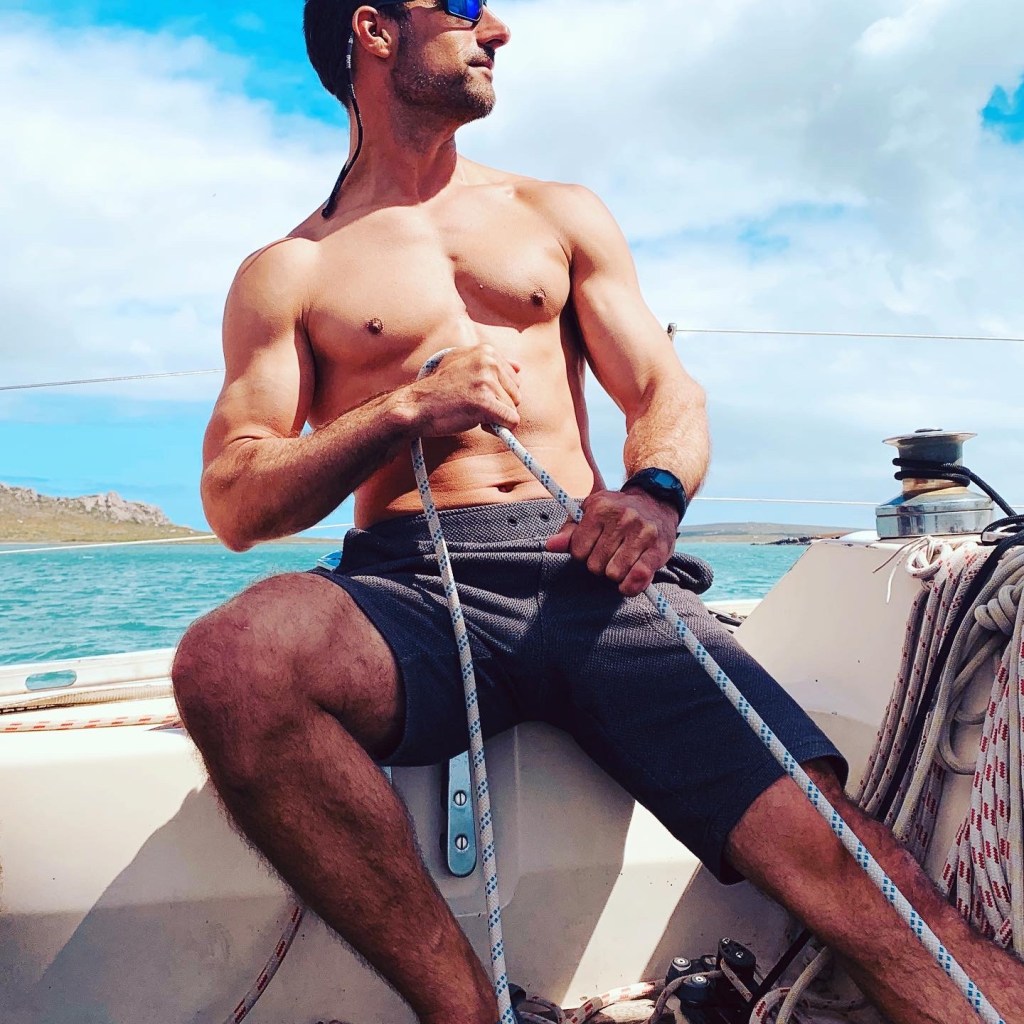
The photo shoot was fun, we had a power boat follow us around taking pictures as we docked, undocked, and did a series of well executed tacks during a short trip from Langebaan Yacht Club to Mykonos (Langebaan, not Greece unfortunately). And, of course, we all made sure we dressed to impress the day that the cameras would be out.
The night sail was dark and cold. It’s amazing how the lights look so far away until a buoy is right up next to the boat. Always keep a distance and never go straight at a light on the horizon. The channel markers gave me a good lesson in trying to gauge distance of lights at night. No, I didn’t hit anything, but there were a few times that a port channel marker seemed to just show up along side the boat. I was fine as long as I always made sure to not head directly for them. Also, twice we ran across buoys that had inoperable lights. Always keep an additional watch stander on board to help keep an eye out for hazards. A comforting part of the night sail was dinner! Carmen was the cook that night and she made us something called Bunny Chow. For all you non-South Africans, don’t worry. No bunnies were harmed in the making of dinner that night. Bunny Chow is best explained as simply a type of curry served up in a bread bowl. But warm and spicy and absolutely delicious, everyone was happy to be fed while on our three hour sail.
As I mentioned, the other highlight was taking the boat out of the water. Ariel was in need of a bit of engine work and we were able to assist in the getting her into the slip, tied off, and ready for the dock workers to attach the boat crane and move her onto the hard. I did this with my old boat once, so I know for any owner, this can be stressful. A misstep can cause a substantial amount of damage if not a total loss. Working around heavy equipment while in the military, I also understand that workers can be severely injured if everyone isn’t paying attention. But…she was pulled out and transported without injury. Unless you count the crabs that were clinging to their home on the keel. Carman tried to help one of them get back to the ocean. We’re not sure if the little guy survived the fall from the dock, it was a good 5 meters or so. Shame Carmen…shame!
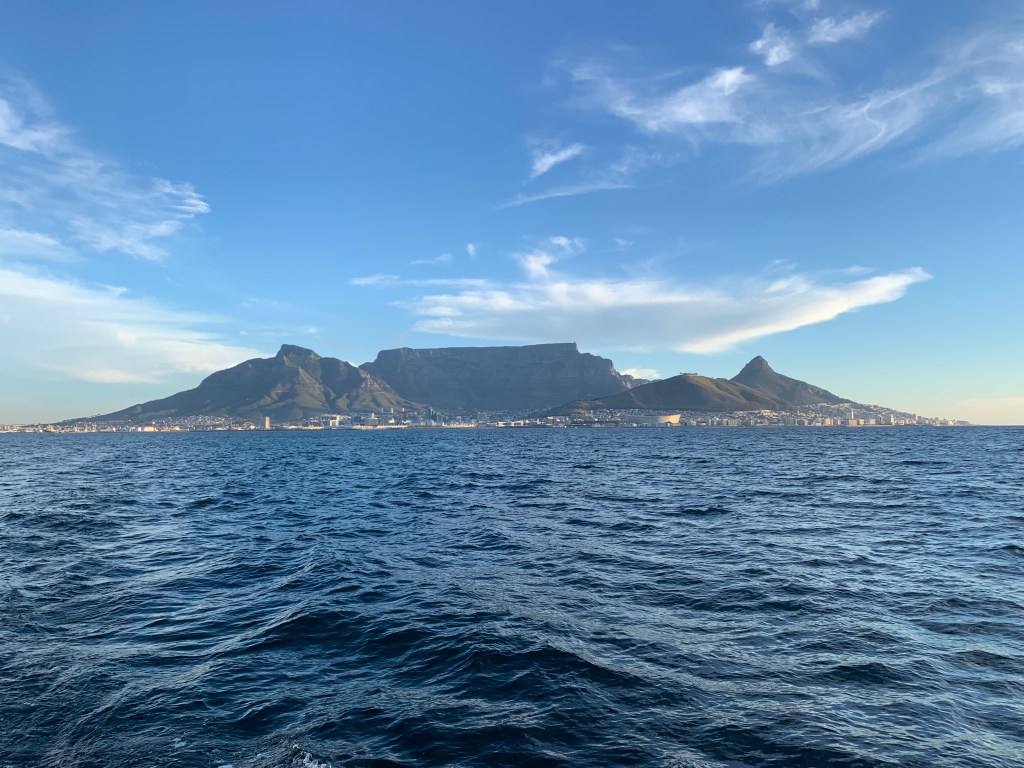
Finishing up the week, we got some great news (for the students at least). Natasha would need to be sailed down to Cape Town on the following Monday. A 12 hour trip and our first real passage. I was excited until I realized that I would be taking a VHF radio course on Monday and would not be joining the crew on the trip. Sunday night, they all headed to the boat and departed around 1am. There weren’t many stories from the trip except that everyone was a bit sea sick and because of the crack in the mast (reason it was going to Cape Town), they motored the entire way. So, I don’t think the trip turned out to be as enjoyable as we all thought it would be. But, I am sure it was great experience for them, and I am still a bit jealous that I couldn’t join. In a few weeks, when we do our Coastal Practical, I think we are going to drive down to Cape Town and bring the boat back. We’ll get to sail in that case and I expect it to be a joll (Did I use that slang correctly?).
For now…we’re all working on our Professional Practices and Responsibilities (PPR) course on-line and are getting ready to go zooming around the bay at the end of the week for our Powerboat Level II course. Should we make bets as to who can get the top speed?
 It Only Takes Doing For An Adventure To Start